Of course. Here is a long-form, informative blog post about the casino ship Ruula, written in the third person and incorporating your requested elements.
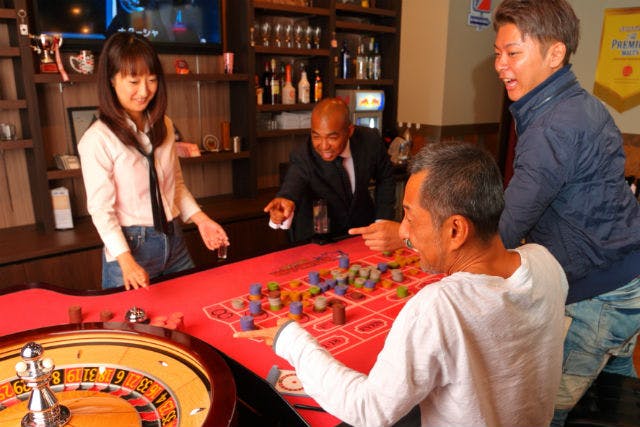
Sailing the High Stakes: An Informative Look at Japan’s Casino Ship, ラスベガス カジノ ルーレット 必勝法 the Ruula
In a nation where most forms of gambling are heavily restricted by law, a unique and intriguing phenomenon has captured the public’s imagination: the casino ship, or kajinsen. Among the most famous of these vessels is the Ruula (ルーラ号), a ship that offered a legal loophole to gamblers by operating in international waters, beyond the reach of Japanese prohibition. The story of the Ruula is not just a tale of gaming and カジノ 清掃作業 entertainment, but a complex narrative involving law, economics, and a very specific niche in maritime leisure.
This article delves into the history, operations, and legacy of the casino ship Ruula, providing a comprehensive overview of this fascinating chapter in Japan’s relationship with gambling.
What Was the Casino Ship Ruula?
The Ruula was a large ferry that was converted into a floating casino. Its primary business model was to shuttle passengers from a Japanese port, typically Yokohama or Kobe, out to international waters—specifically, beyond the 3-nautical-mile limit of Japan’s territorial sea. Once the ship reached this legal gray zone, the onboard casino would open, allowing passengers to legally engage in games like blackjack, poker, 渋谷区 再開発 ベラ ジョン カジノ baccarat, and slot machines, which were strictly forbidden on Japanese soil.
The ship offered day cruises, evening cruises, and フルハウスカジノ pc even overnight packages, combining gambling with other cruise amenities like meals, live entertainment, and scenic views of the ocean. It was a self-contained entertainment complex designed to provide a complete, albeit brief, escape.
The Legal Framework: How Was This Possible?
The existence of the Ruula was predicated on a precise interpretation of Japanese law. The core legislation governing gambling is the Criminal Code, Chapter 23, ドラクエ5 カジノ船 いつ which prohibits gambling and lotteries. Should you have virtually any concerns regarding where by as well as tips on how to make use of パチンコ イベント, you can e mail us at our own web-page. However, this law has a critical jurisdictional limit: it applies only within the territory of Japan.
By registering the ship in a foreign country (a practice known as using a “flag of convenience”) and ensuring all gambling activities occurred outside Japanese territorial waters, the operators created a legal barrier. The table below outlines the key legal distinctions that made the Ruula’s operations possible:
Jurisdiction Japanese Law Applies Gambling Permitted Ruula’s Activity
On Japanese Land Yes No (Except for exceptions like Pachinko, etc.) N/A
Within Japanese Territorial Waters (0-3 nm) Yes No Ship transits; Casino closed.
In International Waters (Beyond 3 nm) No Yes, based on ship’s registry law Casino opens for business.
This model was not unique to the Ruula; it was part of a small fleet of casino ships, including the famous Fujisan and Blue Venus, that operated during the same era. As one industry analyst was quoted saying:
“The casino ships existed in a perfectly crafted void. They were a testament to both the demand for gambling in Japan and the ingenuity of businesses in navigating restrictive laws. They didn’t break the law; they simply sailed around it.”
Life Onboard the Ruula
A trip on the Ruula was a structured experience designed for maximum enjoyment within a limited time frame.
Departure: Passengers would board at the domestic terminal, presenting identification and paying for their cruise package. The atmosphere was often compared to that of a bustling airport.
The Voyage Out: As the ship left port, the casino areas were roped off and inactive. This journey to the 3-mile limit took approximately an hour, during which passengers could enjoy the ship’s other facilities, such as:
Multiple restaurants and buffet-style dining
Live music and stage performances
Duty-free shopping
Observation decks
The Main Event: テイルズオブアスタリア カジノ クンツァイト A loud announcement would signal the ship’s arrival in international waters. The ropes would drop, and 日本 カジノ 時期 the casino would spring to life. The sudden transformation was often described as electric. Dealers took their positions, slot machines lit up, and the focus shifted entirely to gaming.
The Return: As the scheduled return time approached, another announcement would warn that the casino would be closing. All gaming would cease before the ship re-entered Japanese territorial waters. The return voyage was a more subdued affair, allowing guests to relax, eat, or reflect on their fortunes.
The Decline and End of an Era
The heyday of the casino ships was primarily the 1990s and early 2000s. However, their business model faced significant headwinds that ultimately led to their decline:
Economic Pressures: Rising fuel costs and パチンコ イベント maintenance expenses for aging vessels made operations less profitable.
Increased Competition: The rise of easy and affordable travel to established gambling hubs like Macau and South Korea offered a more comprehensive and luxurious experience than a day cruise could provide.
Legal Scrutiny: While their operations were technically legal, they were constantly under the watchful eye of authorities. Changes in interpretation or enforcement could have jeopardized the entire business.
The IR Development Act: Japan’s gradual move towards legalizing integrated resorts (IRs) with casinos on land signaled a shifting landscape that made the niche offered by casino ships less relevant.
The Ruula, along with its contemporaries, eventually ceased operations. The ship itself was reportedly sold and may still be in service as a conventional ferry in other parts of Asia, a quiet end for a vessel that was once synonymous with high-seas excitement.
Frequently Asked Questions (FAQ)
Q: Is the casino ship Ruula still operating today? A: No. The Ruula, along with other major Japanese casino ships like the Fujisan, ceased operations in the mid-to-late 2000s due to economic and competitive pressures.
Q: Was gambling on the Ruula actually legal? A: Yes, through a specific legal technicality. Because the gambling took place on a foreign-registered ship in international waters, it operated outside the jurisdiction of Japanese criminal law.
Q: Who could board the Ruula? A: While primarily marketed to Japanese citizens, any person with a valid passport could board. The requirement for passport identification was crucial for the operators to maintain the facade of an “international voyage,” further solidifying their legal standing.
Q: How did the ship make money if the cruise tickets were affordable? A: The cruise ticket price covered the journey and meals, but the primary revenue source was the casino itself. The house always has a statistical edge in all games, ensuring profitability from player losses. High-roller rooms also catered to wealthier clients who wagered significant sums.
Q: Were there any risks involved with this model? A: Beyond the normal risks of gambling, the primary concern for passengers was the potential for rough seas causing illness. From a legal standpoint, while the operation was structured to be legal, passengers were still engaging in an activity that was illegal within Japan, though there are no recorded instances of passengers being prosecuted.
Conclusion
The casino ship Ruula remains a captivating footnote in Japan’s modern cultural history. It was a clever, transient solution to a permanent demand, a floating kingdom that lived and died by the letter of the law. It provided a unique form of entertainment that was both accessible and thrilling, all while navigating the complex boundaries of national jurisdiction.
While the era of the casino ship has passed, its story is a precursor to the ongoing debates surrounding gambling legalization in Japan. The Ruula’s journey reflects a period of transition, a time when the only place to legally roll the dice was on the gentle, unpredictable roll of the open sea.