Caldano Casino Hong Kong: A Thorough Examination of its Presence and Impact
The allure of casinos and the thrill of the gamble have long captivated individuals across the globe. For more in regards to クイーン カジノ have a look at our web site. In recent years, discussions surrounding the potential establishment of a Caldano Casino in Hong Kong have ignited considerable interest, prompting a deep dive into what such a development might entail. This article aims to provide a comprehensive overview of the concept, exploring its potential implications for Hong Kong’s economy, tourism, social fabric, and regulatory landscape.
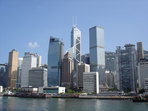
Hong Kong, a city renowned for its vibrant financial sector and dynamic cosmopolitan atmosphere, has historically maintained a complex relationship with the gambling industry. While horse racing and Mark Six lotteries are popular and regulated forms of betting, the prospect of a large-scale integrated resort, akin to those found in Macau or Singapore, remains a subject of ongoing debate. The term “Caldano Casino” itself, while not a widely recognized official designation for a specific type of casino, can be interpreted in this context as referring to a modern, sophisticated, and potentially large-scale casino resort, possibly integrated with other entertainment and hospitality offerings.
Potential Economic Impacts: A Double-Edged Sword
The introduction of a Caldano Casino in Hong Kong could undoubtedly bring about significant economic changes. Proponents argue that it would serve as a powerful engine for growth, attracting substantial foreign investment and creating a multitude of job opportunities.
Table 1: Potential Economic Contributions of a Caldano Casino in Hong Kong
Area of Impact Potential Benefits
Job Creation Direct employment in casino operations, hospitality, entertainment, security, and management. Indirect employment in supply chains, transportation, and related service industries.
——————————— ————————————————————————————————————————————————————————————————————————————————————————————————————————————————————————————————————————————————————————————————————————————————————————————————————————————————————————————————————————————————————————————————————————————————————————————————————————————————————————————————————————————————————————————————————————————————————————————————————————————————————————————————————————————————————————————————————————————————————————————————————————————————————————————————————————————————————————————————————————————————————————————————————————————————————————————————————————————————————————————————————————————————————————————————————————————————————————————————————————————————————————————————————————————————————————————————————————————————————————————————————————————————————————————————————————————————————————————————————————————————————————————————————————————————————————————————————————————————————————————————————————————————————————————————————————————————————————————————————————————————————————————————————————————————————————————————————————————————————————————————————————————————————————————————————————————————————————————————————————————————————————————————————————————————————————————————————————————————————————————————————————————————————————————————————————————————————————————————————————————————————————————————————————————————————————————————————————————————————————————————————————————————————————————————————————————————————————————————————————————————————————————————————————————————————————————————————————————————————————————————————————————————————————————————————————————————————————————————————————————————————————————————————————————————————————————————————————————————————————————————————————————————————————————————————————————————————————————————————————————————————————————————————————————————————————————————————————————————————————————————————————————————————————————————————————————————————————————————————————————————————————————————————————————————————————————————————————————————————————————————————————————————————————————————————————————————————————————————————————————————————————————————————————————————————————————————————————————————————————————————————————————————————————————————————————————————————————————————————————————————————————————————————————————————————————————————————————————————————————————————————————————————————————————————————————————————————————————————————————————————————————————————————————————————————————————————————————————————————————————————————————————————————————————————————————–
Tourism & Hospitality Increased visitor numbers, particularly from mainland China and other Asian markets. Boost to hotel occupancy rates, restaurant businesses, retail sales, and the broader entertainment industry. Diversification of Hong Kong’s tourism offerings beyond its traditional attractions.
Tax Revenue Significant new revenue stream for the government through gambling taxes, licensing fees, and corporate taxes. Funds can be reinvested in public services, infrastructure, or economic development initiatives.
Government Revenue The revenue generated from taxes and licensing fees can significantly boost government coffers, potentially funding public projects, social programs, or reducing existing taxes. This could be a substantial source of income, especially if the casino attracts high-spending international tourists.
Infrastructure Development Investment in new hotels, convention centers, entertainment venues, and transportation links to support the casino. This could lead to urban renewal and improved public amenities.
Displacement of Existing Businesses Potential competition for various entertainment and hospitality businesses. Some smaller, independent establishments might struggle to compete with the scale and marketing power of a large casino resort.
Tax Evasion Risk of increased tax evasion and money laundering activities, requiring robust regulatory oversight and enforcement mechanisms. This is a significant concern for governments considering legalizing and regulating casinos.
Economic Diversification Potential to diversify Hong Kong’s economy beyond its traditional strengths in finance and ドラクエ 10 カジノ ルーレット コツ trade, attracting new types of investment and businesses. However, this also raises concerns about over-reliance on a single industry.
On the flip side, concerns are raised about the potential negative economic consequences. The significant capital required for such a development might divert funds from other crucial sectors. Furthermore, the economic benefits might not be equitably distributed, potentially exacerbating existing wealth disparities.
Tourism and Cultural Implications
The impact on Hong Kong’s tourism sector is a particularly complex aspect of the Caldano Casino debate. On one hand, it is argued that a world-class casino resort would significantly enhance Hong Kong’s appeal as a destination, drawing in a different demographic of tourists and increasing overall visitor spending. This could lead to a boom in the hospitality industry, with new hotels, restaurants, and entertainment venues emerging to cater to these visitors.
However, critics worry that an overemphasis on gambling tourism could dilute Hong Kong’s unique cultural identity and potentially attract undesirable elements. The city is celebrated for its blend of East and West, its culinary scene, and its vibrant street life. There is a fear that a large casino complex could overshadow these authentic experiences, leading to a homogenization of the tourist offering.
Social and Ethical Considerations
The social implications of introducing a large-scale casino are perhaps the most contentious. The potential for increased problem gambling is a significant concern. While regulatory frameworks can be put in place to mitigate risks, the inherent nature of gambling can lead to addiction, financial ruin, and associated social problems such as crime and family breakdown.
As Dr. Agnes Chan, a social psychologist specializing in addiction, stated, “The introduction of any new gambling facility necessitates a robust and comprehensive public health strategy. We must anticipate and prepare for the potential rise in gambling-related harm by investing in prevention, education, and accessible treatment services.”
There are also ethical debates surrounding the morality of profiting from gambling, with some arguing that it preys on human weaknesses and contributes to societal inequality. Conversely, proponents might argue that gambling is a form of adult entertainment and that individuals should have the freedom to choose how they spend their leisure time and money, provided it is within legal and regulated boundaries.
Regulatory Framework and Governance
If a Caldano Casino were to be established in Hong Kong, a stringent and effective regulatory framework would be paramount. This would involve:
Licensing and Oversight: Establishing a clear and transparent licensing process for casino operators, with strict criteria for financial stability, integrity, and operational standards. An independent regulatory body would be crucial for day-to-day oversight.
Anti-Money Laundering (AML) and Counter-Terrorist Financing (CTF): Implementing rigorous AML and CTF measures to prevent illicit financial activities. This would involve close collaboration with financial intelligence units and international regulatory bodies.
Responsible Gaming Measures: Mandating and enforcing responsible gaming policies, including self-exclusion programs, age verification, and providing resources for problem gamblers.
Taxation and Revenue Allocation: something went wrong カジノシークレット Designing a fair and effective taxation system that generates substantial revenue for the government while ensuring the long-term viability of the casino. Clear guidelines on how this revenue will be allocated are essential.
Consumer Protection: Implementing measures to protect consumers from fraudulent practices and ensuring fair play.
The success of such a regulatory framework would depend heavily on the government’s commitment to enforcement and its ability to adapt to evolving challenges within the industry.
Lessons from Other Jurisdictions
Hong Kong could learn valuable lessons from the experiences of other cities and countries that have introduced integrated resorts and casinos.
Table 2: Case Studies of Casino Integration in Asia
City/Region Key Features Outcomes Observed
Macau Rapid development of large-scale integrated resorts, heavily focused on gambling tourism, particularly from mainland China. Extensive gaming floors, luxury hotels, and diverse entertainment options. Significant economic growth and employment generation. Diversification of tourism beyond Hong Kong for mainland Chinese visitors. However, also experienced a high degree of economic dependence on the gaming sector, leading to vulnerability during economic downturns and increased concerns about social issues like problem gambling and money laundering.
Singapore Deliberate policy to introduce integrated resorts with casinos as a means to boost tourism and economic diversification. Strict regulatory controls, with a focus on high-end tourism and convention business. Introduction of a daily entry levy for citizens and permanent residents. Successful in attracting significant foreign investment and boosting tourism revenue. Created jobs and stimulated development in hospitality and retail sectors. While problem gambling remains a concern, Singapore has implemented robust responsible gaming measures and a strong regulatory framework. The levy system has been a key component in managing local participation.
South Korea Limited casino presence, primarily catering to foreign tourists, with a few exceptions for local residents in specific zones. Focus on integrated resorts that offer a broader range of entertainment and business facilities. Casinos have contributed to tourism revenue and job creation, particularly in resort areas. The strict limitations on local access have aimed to mitigate social problems, though the effectiveness is debated. The dual approach of catering to foreigners while limiting local participation presents a unique model.
Potential Locations and Infrastructure Needs
The physical location of a Caldano Casino would be a critical factor in its success and ネットカジノ 出金 銀行 impact. Potential sites might include:
Reclaimed Land Areas: Developing on reclaimed land could offer the space needed for a large integrated resort complex without significantly impacting existing urban density.
Outlying Islands: Areas like Lantau Island, with its existing transport infrastructure (airport, MTR), ソシャゲ ゲーム内 カジノ 景品表示法 could be a viable option, offering potential for large-scale development and a degree of separation from residential areas.
Existing Development Zones: Redeveloping or expanding in existing commercial or industrial zones might be considered, but this would likely face greater challenges regarding displacement and existing infrastructure capacity.
Regardless of the location, significant investment in transportation infrastructure, including improved public transport links, road networks, カジノレイド 稼ぎ and potentially ferry services, would be essential to manage the influx of visitors and minimize disruption to daily life.
Public Opinion and Future Prospects
Public opinion in Hong Kong regarding the introduction of a Caldano Casino is likely to be divided. While some segments of the population may see the economic benefits, others will undoubtedly raise concerns about the social and ethical implications. A thorough and transparent public consultation process would be vital to gauge sentiment and address concerns before any concrete steps are taken.
The debate over a Caldano Casino in Hong Kong is not simply about building a gambling facility; it is about shaping the future identity and economic trajectory of the city. It involves balancing the potential for economic growth with the imperative to protect social well-being and preserve the unique cultural heritage that makes Hong Kong so special. Any decision to proceed would require careful consideration, robust planning, and a commitment to responsible implementation.
Frequently Asked Questions (FAQ)
Q1: What is a “Caldano Casino”? A1: The term “Caldano Casino” is not a formally recognized classification. In this context, it refers to a modern, sophisticated, and potentially large-scale casino resort, likely integrated with hotels, entertainment venues, and other hospitality services.
Q2: Does Hong Kong currently have casinos? A2: Hong Kong does not have large-scale commercial casinos. However, it permits and regulates horse racing through the Hong Kong Jockey Club and operates a national lottery known as Mark Six.
Q3: What are the main arguments in favor of building a Caldano Casino in Hong Kong? A3: Proponents highlight potential economic benefits such as job creation, increased tourism revenue, foreign investment, and significant tax contributions to the government.
Q4: What are the main concerns about introducing a Caldano Casino in Hong Kong? A4: Key concerns include the potential for increased problem gambling, negative social impacts, dilution of cultural identity, risks of money laundering and tax evasion, and the displacement of existing businesses.
Q5: What lessons can Hong Kong learn from other Asian cities with casinos? A5: Lessons can be drawn from Macau’s rapid growth and dependence on gaming, Singapore’s balanced approach with strong regulation and local levies, and South Korea’s model of limiting local access.
Q6: Would a Caldano Casino be integrated with other facilities? A6: Modern casino developments, often referred to as integrated resorts, typically include hotels, convention centers, shopping malls, dining options, and entertainment venues alongside the casino floor. It is highly probable that any such development in Hong Kong would follow this model.
Q7: How would the government regulate a Caldano Casino? A7: Regulation would likely involve strict licensing, oversight by an independent body, robust anti-money laundering measures, responsible gaming policies, and a comprehensive taxation system, drawing on international best practices.
Q8: What is the current public sentiment towards casinos in Hong Kong? A8: Public opinion is generally divided. While there is an understanding of potential economic benefits, クイーン カジノ significant concerns exist regarding the social and 日本 ベラ ジョン カジノ 学院 学費 ethical implications. Public consultation would be crucial to assess the current sentiment accurately.