The Global Phenomenon of Integrated Resorts: Navigating the World of International IR Casinos
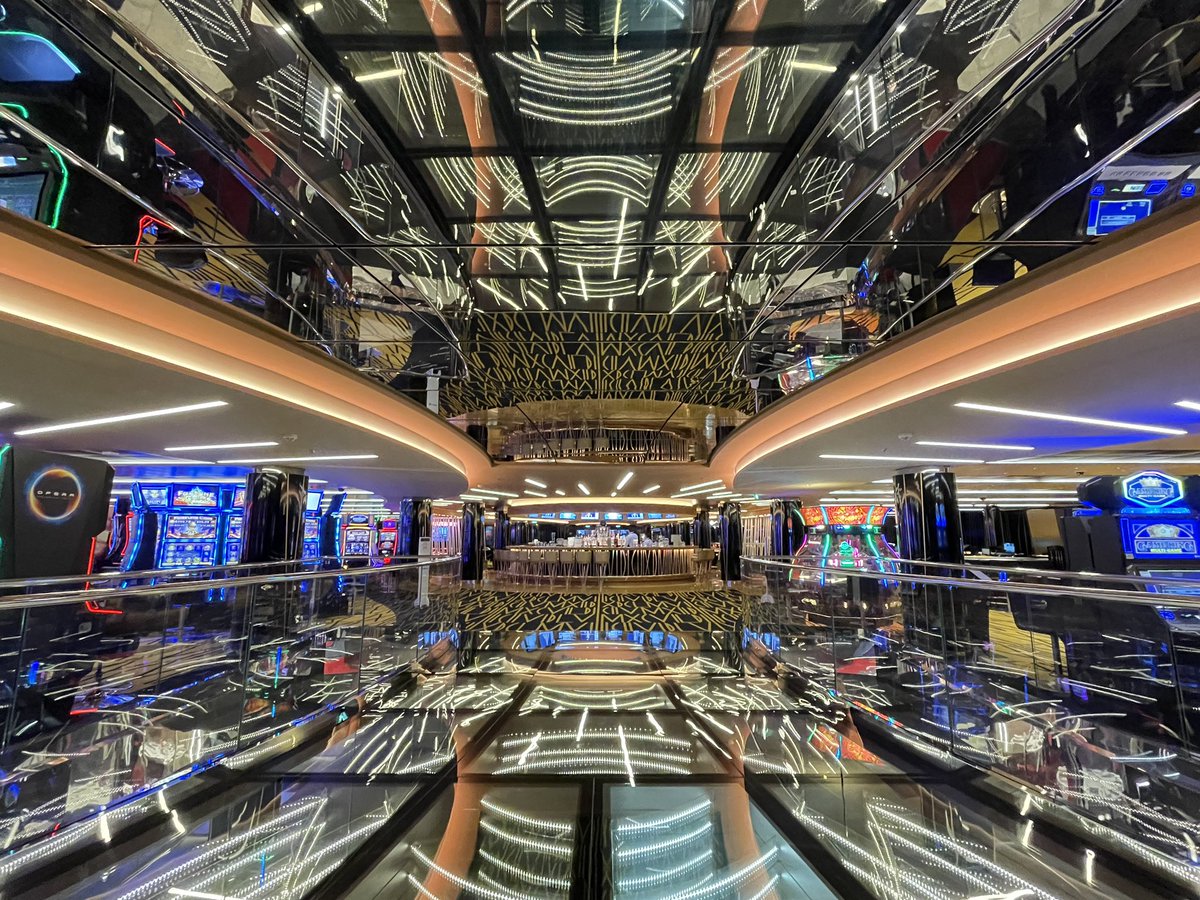
In the dynamic landscape of global tourism and entertainment, a distinctive entity has risen to prominence: the Integrated Resort (IR). Far more comprehensive than traditional casinos, IRs are multi-faceted developments designed to attract a broad spectrum of visitors, offering a rich tapestry of experiences beyond just gaming. These colossal projects represent significant investments, promising economic revitalization, job creation, ベラ ジョン カジノ 無料 ゲーム and a boost in international tourism for host nations.
This blog post delves into the world of international IR casinos, exploring their definition, global presence, economic implications, and the intricate balance required to harness their potential while mitigating their challenges.
What Exactly is an Integrated Resort (IR)?
An Integrated Resort is a large-scale development that combines a casino with an extensive array of non-gaming amenities. The “integrated” aspect refers to the synergistic blend of these diverse offerings, all designed to operate cohesively and enhance the overall visitor experience.
Key Components typically found in an IR include:
Casino Facilities: The gaming floor, often a central revenue driver.
Luxury Hotels & Accommodation: Ranging from five-star resorts to boutique hotels.
MICE (Meetings, Incentives, Conferences, 名古屋 カジノ 摘発 ニュース Exhibitions) Facilities: State-of-the-art convention centers and exhibition halls to attract business tourism.
Shopping Malls & Retail Outlets: High-end boutiques and diverse shopping experiences.
Dining & Gastronomy: ライブカジノ 入金不要ボーナス 出金 A wide selection of restaurants, from casual eateries to fine dining establishments.
Entertainment Venues: Theatres, arenas for live performances, nightclubs, and インターネットカジノ peach 堺 themed attractions.
Family-Friendly Amenities: Water parks, amusement parks, museums, and recreational facilities.
Wellness & Spa Centers: Offering relaxation and rejuvenation services.
Governments worldwide are increasingly attracted to the IR model due to its potential to diversify tourism offerings, stimulate economic growth, and generate substantial tax revenues, often without solely relying on gaming income.
The Global Landscape: Key Players and Emerging Markets
The concept of the Integrated Resort originated in places like Las Vegas, but it found a new paradigm in Asia, particularly in Macau and Singapore, which have become global benchmarks. Each region adapts the IR model to suit its unique cultural and economic objectives.
Here’s a comparison of some prominent IR hubs:
Feature Las Vegas, USA Macau, China Singapore Japan (Planned)
Primary Focus Entertainment, MICE, Dining, Gaming High-stakes Gaming, Luxury Retail, Entertainment MICE, Tourism, Family Entertainment, Gaming Tourism, MICE, Culture, Responsible Gaming
Key Attractions The Strip, diverse shows, celebrity chefs Venetian Macao, City of Dreams, Galaxy Macau Marina Bay Sands, Resorts World Sentosa Osaka (Yumeshima) first approved site, cultural immersion
Target Audience International & Domestic leisure/business travelers High Net Worth Individuals, Asian tourists International leisure travelers, families, MICE International tourists, MICE travelers
Gaming Revenue Share ~35-40% of total revenue ~85-90% of total revenue ~60-70% of total revenue Anticipated lower due to strict regulations
Regulatory Environment Established, mature regulations Strict government oversight Highly regulated, responsible gaming focus Extremely strict, focus on problem gambling prevention
While Macau remains the undisputed king of gaming revenue, Singapore’s success highlights the power of the non-gaming strategy, attracting a broader demographic and securing its position as a global MICE hub. Looking ahead, countries like the UAE, Thailand, and particularly Japan, are actively exploring or developing their own IR projects, each with distinct regulatory frameworks and economic goals.
Economic and Societal Impact of International IRs
The advent of large-scale IRs invariably brings a mixed bag of economic benefits and social challenges. Understanding these facets is crucial for effective policy-making and community engagement.
Potential Economic Benefits:
Tourism Boost: IRs act as magnets, attracting millions of international visitors and increasing overall tourist traffic.
Job Creation: Massive construction and operational phases generate thousands of direct and indirect employment opportunities across various sectors (hospitality, retail, entertainment, security, F&B).
Infrastructure Development: Often spur significant investments in roads, public transport, utilities, and other supporting infrastructure.
Tax Revenue: Generate substantial tax income for governments through gaming taxes, corporate taxes, and consumption taxes.
Diversification of Economy: Help reduce reliance on traditional industries by fostering new sectors in tourism and entertainment.
MICE Business: Attract large conventions and exhibitions, bringing high-spending business travelers.
Potential Societal Challenges:
Problem Gambling: While IRs often implement responsible gaming measures, the accessibility of casinos can exacerbate problem gambling issues for a minority of the population.
Social Concerns: Potential for increased crime rates, higher cost of living, and societal disruption if not managed effectively.
Cultural Impact: Concerns about the erosion of local culture or the creation of “gated communities” for tourists.
Economic Dependency: Regions can become overly reliant on IRs, making them vulnerable to economic downturns or changes in tourism trends.
Competition with Local Businesses: Smaller local businesses, particularly in hospitality and entertainment, may struggle to compete with the vast offerings of an IR.
Regulatory Complexity: Developing and enforcing robust regulations to balance economic benefits with social protection can be challenging.
The Japanese Context: A Unique Approach to IR カジノ
Japan’s journey towards establishing Integrated Resorts has been marked by meticulous planning and a strong emphasis on responsible gaming. After years of deliberation, the IR Development Act was passed in 2018, paving the way for up to three IR facilities. The nation’s approach is distinctly different from traditional casino models.
“Japan’s IR model is designed not just for economic gain, but to integrate seamlessly with our culture and elevate our global tourism appeal while safeguarding against social harms,” says an anonymous government official involved in the IR planning. “The strict regulations reflect our commitment to a balanced and sustainable future.”
In April 2023, Osaka was officially approved as the first location for a Japanese IR, with a planned opening by the end of the decade. The project, led by MGM Resorts International and Orix Corp, will be situated on Yumeshima, a man-made island.
Key features of Japan’s IR regulations include:
Entry Fees for Residents: Japanese citizens and residents will be charged a substantial entry fee (¥6,000, approximately $40 USD) per visit.
Visit Limits: Japanese residents will be limited to three casino visits per week and ten visits per month.
Strict Security & Surveillance: Enhanced measures to prevent crime and monitor activity.
Mandatory Responsible Gaming Measures: Comprehensive support for problem gamblers and public awareness campaigns.
High Proportion of Non-Gaming Amenities: A focus on MICE, entertainment, and cultural experiences, with the casino component restricted to a relatively small percentage of the total floor area.
These stringent rules reflect Japan’s cautious approach, aiming to leverage the economic benefits of IRs while minimizing the potential negative social consequences, particularly concerning problem gambling among its citizens.
The Future of International IRs: カジノ 業界 就職 Trends and Evolution
The landscape of international IRs is constantly evolving, driven by technological advancements, shifting consumer preferences, and increasing global competition.
Key trends shaping the future include:
Hyper-Personalization: Utilizing data analytics to offer tailored experiences to guests, from customized dining options to personalized entertainment recommendations.
Sustainable Practices: A growing focus on eco-friendly designs, renewable energy sources, waste reduction, and local sourcing to appeal to environmentally conscious travelers.
Health & Wellness Integration: Expanding spa facilities, offering fitness programs, and incorporating wellness-focused amenities to cater to a holistic lifestyle trend.
Experiential Tourism: Moving beyond passive entertainment to immersive, interactive experiences that engage visitors culturally and emotionally.
Digital Transformation: Integrating advanced technologies like AI, VR/AR, ドラクエ11 クエスト グロったのカジノの3階に行けない and seamless mobile connectivity for enhanced guest services, navigation, and entertainment.
Responsible Gaming Evolution: Continuous improvement in algorithms and support systems to identify and assist individuals at risk of problem gambling.
Regional Diversification: Expansion into new geographical regions, adapting the IR model to local regulations and market demands.
The success of future IRs will hinge on their ability to differentiate themselves, offer unique value propositions, and demonstrate a strong commitment to responsible operation and community integration.
Frequently Asked Questions (FAQ)
What is the primary goal of an Integrated Resort (IR)? The primary goal is to create a large-scale, multi-faceted tourism and entertainment destination that attracts a wide range of visitors, boosts tourism, stimulates economic growth, and diversifies the local economy, often with a casino as a component.
How do IRs differ from traditional casinos? If you liked this write-up and you would certainly like to receive even more information regarding カジノ kindly check out the web-site. Traditional casinos are primarily focused on gambling. IRs, in contrast, offer an array of non-gaming amenities like luxury hotels, convention centers, shopping malls, ベラ ジョン カジノ theatres, and theme parks, aiming for dq5 ds カジノ 必勝 a holistic entertainment experience that appeals to families, business travelers, and leisure tourists alike.
What are some common concerns associated with IRs? Common concerns include the potential for increased problem gambling, higher crime rates, social disruption, and potential economic over-reliance on the resort. Regulatory bodies typically implement measures to mitigate these risks.
Which countries are actively developing or exploring IRs? Beyond established hubs like Macau, Singapore, and Las Vegas, countries like Japan, Thailand, the UAE, and parts of Europe are actively developing or exploring the potential for new Integrated Resorts.
What measures are taken to promote responsible gaming in IRs? Measures often include self-exclusion programs, limits on visits or spending, mandatory entry fees for residents, counseling services, public awareness campaigns, and strict advertising regulations.
Conclusion
International Integrated Resorts represent a compelling, albeit complex, vision for modern tourism and ラスベガス カジノ 入場 economic development. They are powerful engines designed to attract global visitors, create jobs, and generate significant revenue. However, their success is not solely measured by financial returns, but also by their ability to integrate responsibly into the social fabric of their host communities. As IRs continue to evolve, the balance between economic ambition and social responsibility will remain the critical determinant of their long-term viability and positive impact on the global stage.